If you’re an interior designer or architect specifying audio for a luxury residential project, you’ve probably had this conversation: the client wants serious sound, the room can’t show a single speaker grille. Invisible speakers are the answer — but the term covers two genuinely different technologies, and choosing between them changes both the visual outcome and what the room sounds like.
We specify and install both kinds at Hidden Home Technology. Here’s the honest comparison, written for the specifying stage rather than the brochure.
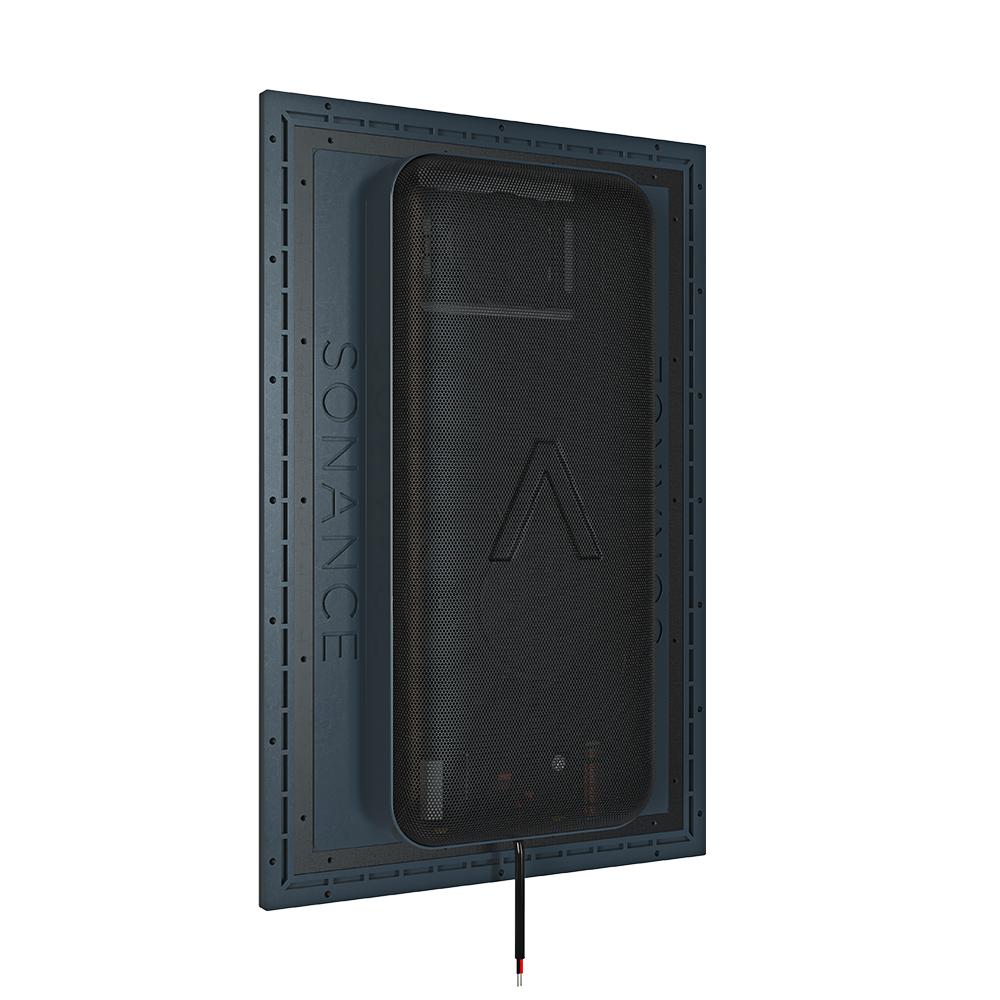 Sonance Invisible Series IS8 — the speaker panel before plaster goes on. Image: Habitech / Sonance.
What “invisible” actually means
There are two genuinely different routes to a speaker you cannot see, and the distinction matters more than most brochures admit:
True plaster-over speakers. Flat-panel emitters that mount inside the wall or ceiling cavity and are plastered directly over during the wet trades. Once skimmed and painted, the wall is uninterrupted: no grille, no frame, no seam. The names that matter in the UK are Amina (UK-designed BMR-mode panels, the category benchmark), Sonance Invisible Series (the most widely specified plaster-over range in the UK — flat emitter that disappears under skim and paint) and Stealth Acoustics (US, slightly different driver topology). Once finished, you literally cannot tell where the speaker is unless you knock on the wall.
In-wall speakers behind a paintable micro-perforated grille. Drivers in a sealed in-wall enclosure, fronted by a near-flush grille perforated finely enough to disappear when painted to match the wall. The reference name here is Wisdom Audio (planar magnetic, paintable grille flush to the wall finish). The grille is technically visible at close inspection but reads as wall from across the room.
Both deliver “you can’t see a speaker.” They sound different and they live in different parts of a project budget.
What you hear
Plaster-over speakers drive sound by exciting the wall surface itself — the panel becomes the diaphragm. The result is wide, room-filling dispersion with no obvious point source. You don’t locate the speaker in the room. That’s the gift and the limitation: superb for whole-room ambient music, dialogue layers, and Dolby Atmos heights where directional precision matters less than spatial wash. The compromises sit at the extremes — bass below ~80 Hz needs a hidden subwoofer, and stereo imaging is softer than a conventional cabinet speaker. They aren’t reference-grade hi-fi; they’re hi-fi made invisible, which is a different brief.
In-wall behind-grille systems behave more like cone-driver speakers because that’s what they are. Wisdom planar designs deliver tighter imaging, more midrange bite, and meaningful low-end extension before you need a sub. You can stage a room — left, centre, right — with proper soundstage. The trade is that paint match has to be exact and the grille’s micro-perf does carry a faint visual texture in raking light. Specifiers we work with usually compensate by placing them above eye-line or in alcove returns where light isn’t grazing.
Where each one works
Open-plan living rooms, kitchens, dining rooms — plaster-over wins. The job is ambient, the priority is total visual erasure, the listening positions are scattered. Amina with a hidden in-wall subwoofer is a regular HHT spec for this.
Snugs, libraries, formal listening rooms — this is where stepping up the plaster-over spec (Sonance Invisible Series) or moving to in-wall behind grille (Wisdom planar) earns its keep. The client cares about the music as music, you can predict where they’ll sit, and the system has to hold a stereo image rather than just wash the room.
Bedrooms and bathrooms (yes, really) — plaster-over, every time. No serviceable parts on display, easy to clean around, no thermal worries with steam.
Cinema rooms with full discrete-channel installs — different category. We’d usually recommend fabric-wrapped baffle walls hiding conventional in-walls (Wisdom Audio’s planar in-walls, James Loudspeaker, Procella) rather than plaster-over for the front three. Atmos heights are the exception where Amina plaster-over still sits cleanly — that’s the one room where the two technologies often share a brief.
Where each one fails (the honest bit)
Plaster-over speakers are dependent on the build. If the plasterer is inexperienced with them, you can lose 20% of the output to over-skimming, and 5mm of extra plaster shifts the resonant behaviour audibly. We brief the wet trades on every job and often supply a sample panel they can practice on. Cost more than the speakers themselves over a project? Sometimes.
In-wall behind-grille systems are unforgiving on the back-box. Tight stud spacing, uninsulated cavities, or anything resonant behind the unit and you’ll hear it. Wisdom publishes minimum cavity volumes; they’re not optional, and they’re frequently fudged on rushed installs. The grille paint match also has to come from the same batch as the wall — order it together with the wall paint, never separately.
How we map budget to brand
Specifying invisible audio is a budget conversation, not a brand conversation. Here’s the practical mapping we use with designers:
At the entry tier, our default plaster-over recommendation is Amina. It’s the right answer for ambient music in open-plan spaces, bedrooms, and bathrooms, and for Atmos heights in mixed-use rooms. The wet-trades discipline matters more than which brand you specify at this tier — get the plastering right and the speakers disappear.
Stepping up — when “ambient” isn’t enough — we usually move to Sonance Invisible Series. Same plaster-over discipline as Amina but with more authoritative bass, tighter imaging, and the wet-trades coordination is what makes or breaks the install. This is the sweet spot for snugs, formal music rooms, and primary listening positions where the client genuinely cares.
At the reference tier — when the room is principally a listening space — we reach for Wisdom Audio. Planar magnetic in-wall, paintable grille, properly hi-fi. This is where invisible audio stops being a compromise. We used them in a former music rehearsal room in Bath, now a cinema and two-channel listening room. Stealth Acoustics sits in a similar conversation if plaster-over is non-negotiable but sound has to be reference-grade.
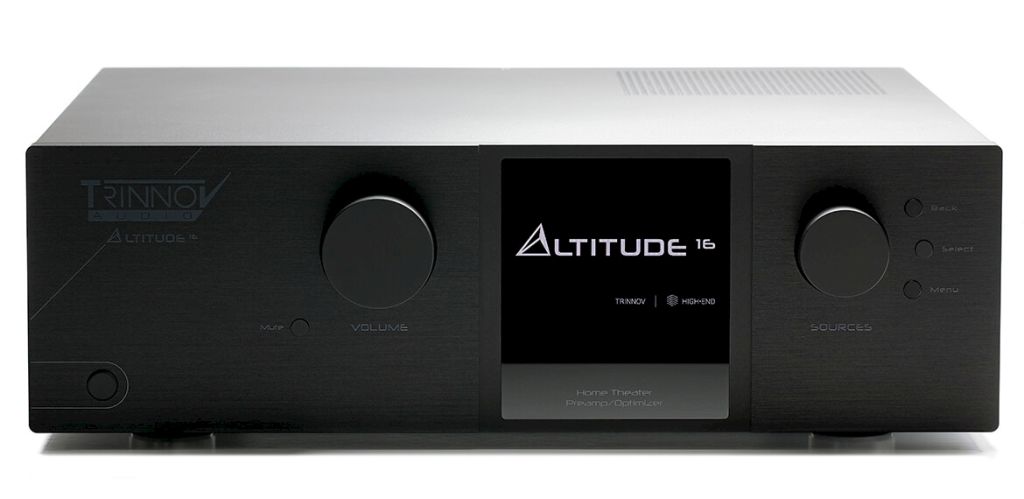
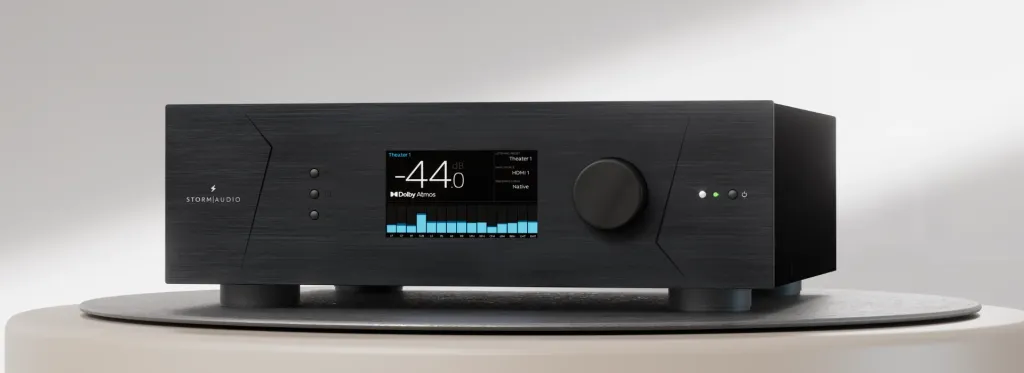
In practical terms: a stereo room sits from a few thousand at the Amina end, a few times that at the Sonance end, and the high tens of thousands at the Wisdom / reference end — before amplification, processing, room correction (we use Trinnov and Storm Audio depending on application), and installation labour. The ratio of “speakers” to “fully realised system” is roughly 1:1 in our experience — clients are sometimes surprised by that until they’ve heard the difference.
If you’re at the spec stage and want exact numbers for a specific brief, we’ll quote against your room and budget rather than have you read price tags here.
Specifying with HHT
We work directly with interior design and architectural practices across the South West and London. Brief us early — speaker placement should be one of the first decisions in a room scheme, not the last, because cavity depth, stud direction, and ceiling-void run-routes all need to be designed around. Send us a plan with proposed listening positions and we’ll come back with a speaker layout, cavity requirements, and a realistic budget tier.
If the screen needs to disappear as completely as the sound, we also design and fit hidden TVs and moving screens — mirror TVs, lifts and moving panels — as part of the same scheme.
Frequently asked questions
What does an invisible speaker mean in practice?
There are two main approaches. A true plaster-over speaker is installed within the wall or ceiling and skimmed over, leaving no visible grille or frame. An in-wall speaker behind a paintable micro-perforated grille sits almost flush and can disappear from normal viewing distance, but may still show a fine texture close up or in raking light.
Do plaster-over speakers sound the same as conventional speakers?
No. Plaster-over speakers tend to give broad, even dispersion with less obvious speaker location, which is useful for ambient music and spatial effects. They are less suited to precise stereo imaging than a conventional or behind-grille in-wall design.
Where are plaster-over invisible speakers most useful?
They suit open-plan living spaces, kitchens, dining rooms, bedrooms and bathrooms where the visual brief is to remove all visible technology. They can also work well for Dolby Atmos height channels when the main cinema channels are handled by more directional speakers.
When would a behind-grille in-wall speaker be the better choice?
Behind-grille systems are useful in snugs, libraries, formal listening rooms and cinema front channels where stereo imaging, dialogue focus and dynamic range matter more. The trade-off is that the grille and paint finish need careful detailing.
Do invisible speakers need a subwoofer?
Often, yes. Plaster-over speakers usually need a hidden subwoofer if the client expects convincing low bass, especially below around 80 Hz. The subwoofer can be planned into joinery, walls or other concealed locations if it is allowed for early enough.
What should designers and architects allow for at specification stage?
The important details are cavity depth, back-box requirements, plaster depth, paint matching, cable routes and trade sequencing. Invisible speakers are highly dependent on the build, so the audio specification should be coordinated before the wet trades and joinery details are fixed.