This Marten Parker Duo Diamond Edition review comes after a couple of months of living with a pair, listening to them pretty much all night, every night. For scale, detail and control they are like nothing else I have heard from a two-way standmount, and I have not heard anything in this category that is better. They have one small weakness, at whisper-quiet volume, and I will be honest about it.
What the Parker Duo Diamond Edition is
So what are they? In theory, one of the most sought-after bookshelf speakers on the market. I can’t think of many bookshelf speakers that are either more premium or better received, although there is not tons of press out there on them.
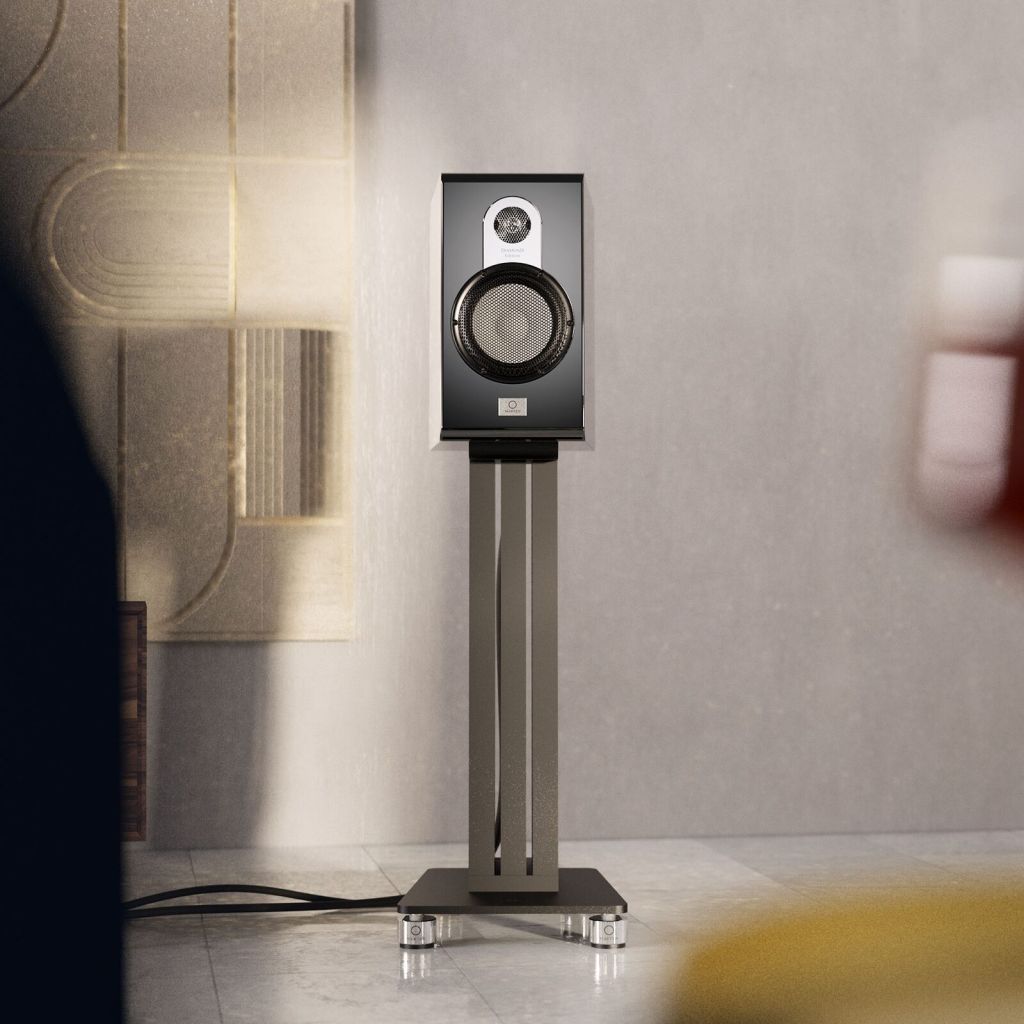
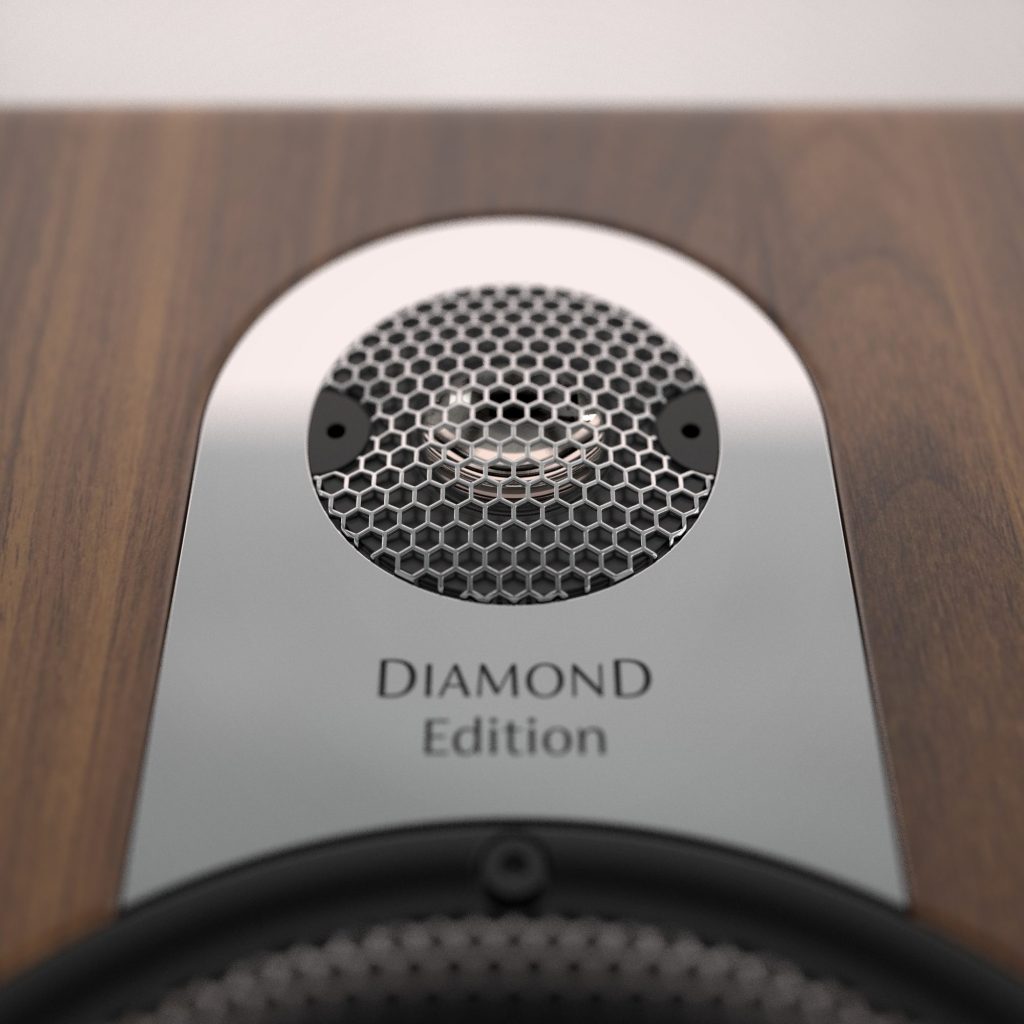
Marten is a Swedish loudspeaker maker, founded by Leif Olofsson in 1998 and still a family business. The Duo is the stand speaker of its Parker series, which sits in the middle of the range: a two-way with a 7.5-inch ceramic bass and midrange driver on the front and a 9-inch aluminium passive radiator on the back. The Diamond Edition is the upgrade. Marten lists a diamond tweeter in place of the standard ceramic one, more advanced crossover components (copper foil capacitors and copper foil inductors), improved terminals and Jorma Statement internal cabling.
So you get the upgraded tweeter, which as I understand it is an Accuton unit and is a hell of a lot of money in its own right, even if you just bought the drivers direct with no design fees on top. You get a better crossover: I think pretty much every component on it is unimprovable, about as good as it gets. And the internal wiring is Jorma, so even the last foot of cabling in your hi-fi system has been thought about.
The Duo is 22 cm wide at the front and 28 cm at the back, so almost a foot wide at the back, 42 cm tall and 36 cm deep. And they are surprisingly heavy. It did not sound like much on paper, 18 kg each, but when I picked them up to put them away they were heavier than I remembered. The cabinet is a high-density composite. I guessed at some variation on MDF. Marten calls it M-board, a multi-layered material, and uses it 35 mm thick.
On price, the standard Parker Duo is listed in our shop at £10,500 at the time of writing. The Diamond Edition costs more than that, so ask us for the current figure. Either way it is a premium bookshelf speaker. The competition I have personal experience of would be something like the Sonus Faber Guarneri: a similarly sized speaker in the same sort of territory.
Swiftly moving on from the technicals, because it is all about the sound really.
The room, the system and the loan
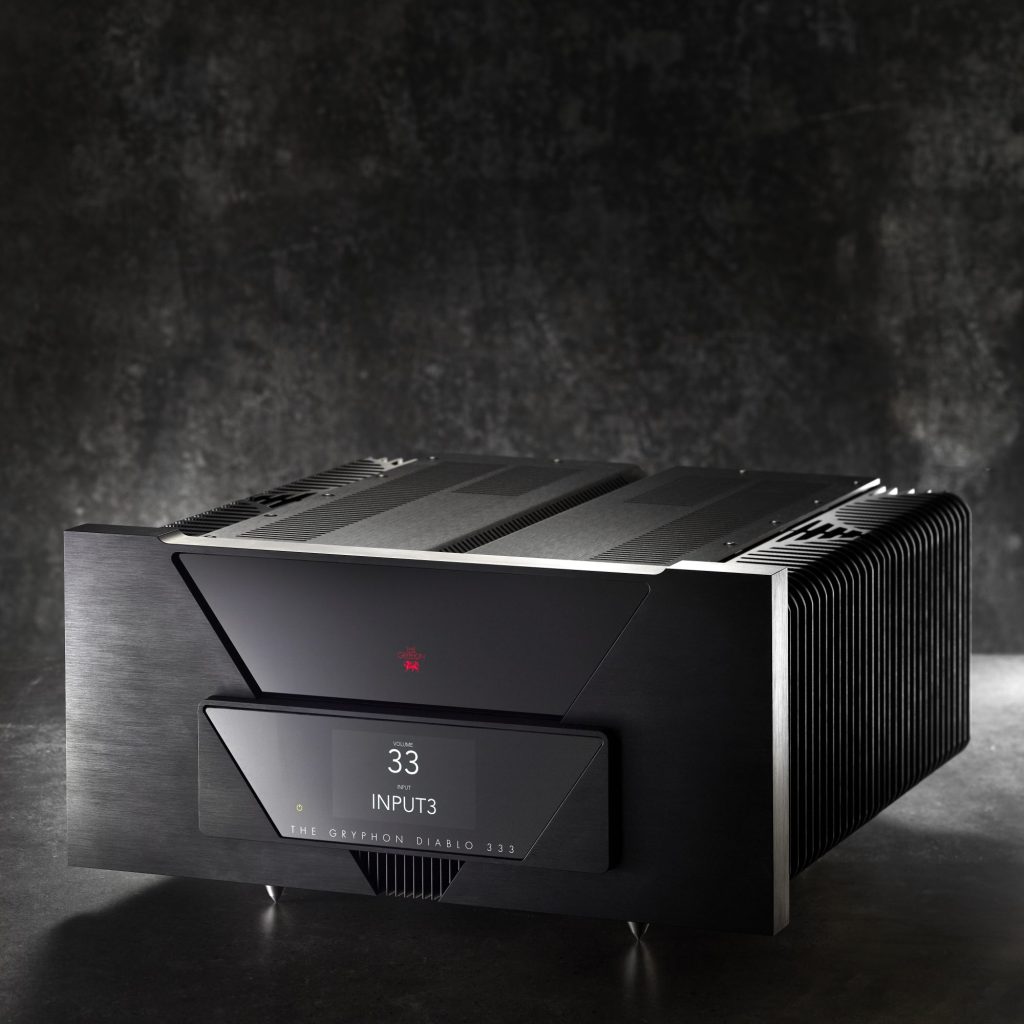
The pair was kindly lent to me over Christmas and stayed for a couple of months. A Gryphon Diablo 333 amplifier was here on loan over the same period, so there is some crossover with my Gryphon Diablo 333 review. My own speakers are Dynaudio Heritage Specials, and I went back to them at the end to get the before and after.
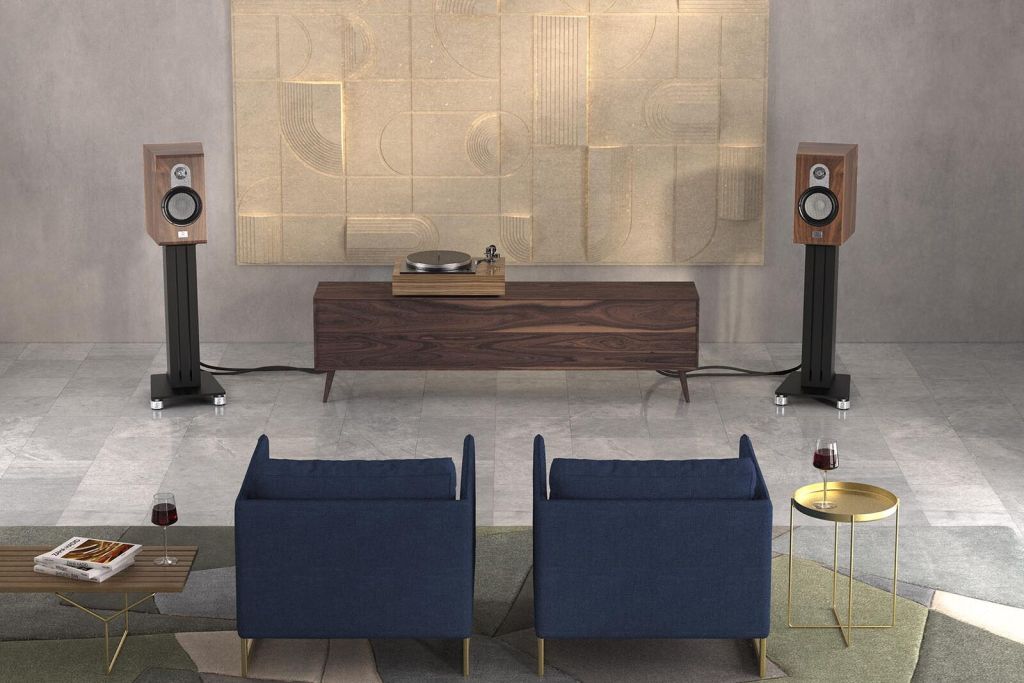
My room is relatively small and it accommodates them perfectly well. Whether it is an illusion of the narrow baffle and the wider back I don’t know, but they never turn into that slightly strange hybrid, the whopper of a speaker on a stand. They are aesthetically pleasing, and definitely less dominant than your average floorstander. Once I had got used to something new in the room, they fell back and did not take up any more space.
Some context on how I listen, because it matters later. I do my critical listening in a three-bed terrace with young kids asleep, and my wife has often gone to bed before I have finished enjoying my hobby. So a lot of it is at volumes that will not travel through plasterboard or floorboards. If you had friends round, you would be whispering.
Setting up
They are very unfussy about positioning near walls. I could shunt them back as close to the corners as my room allows, with its bass traps and furniture, and there was no noticeable downside at all. The bass was still tight, fast and punchy. I was actually doing it to try to add a little bloom back in, and I could not even get that to be a problem.
Toe-in is where you can make a real difference. It lets you control how much the soundstage focuses or opens up, and the treble increases slightly when you are totally on axis. I had them crossing just behind my head, so still largely toed in, but I could see just slightly more of the inside of each cabinet. Pretty much on axis, not quite.
I was also lent Jorma speaker cables to go with them, and I did not try them during the review. I wanted the system back to stability first, not changing bits and bobs, so I could hear exactly what the cables were doing in their own right.
How they sound
Scale and soundstage
The first note I wrote down, and I think it rings true through the entirety of this review, is expansive: expansive scale and an expansive soundstage. The performance envelope of them as a two-way standmount, as in how hard can you drive them, how loud can they go, how big can they sound, is like nothing else I have heard in a two-way speaker.
I found that out by accident. I had pressed play on Cat Power’s “New York”, which starts with these big drums on a reverberant kick drum where you hear the skin resonating. Then I sat down, on the remote as it turned out, and notched the volume right up without realising. I was lucky I did not blow the speakers up, it was that loud, and I am pretty sure the neighbours are still wondering what it was. But it was unreal. I have never heard anything like it. At shows they often don’t let you get that carried away with the equipment.
Same story with “The Final Episode” by Asking Alexandria, a metal track in every sense, double kick drums and all that kind of stuff. It is just so big when you crank it, and they handle the cranking. It is not only when they are loud, either. From conversational levels, just a little bit louder than quiet, they come to life and you get this enormous scale.
Bass
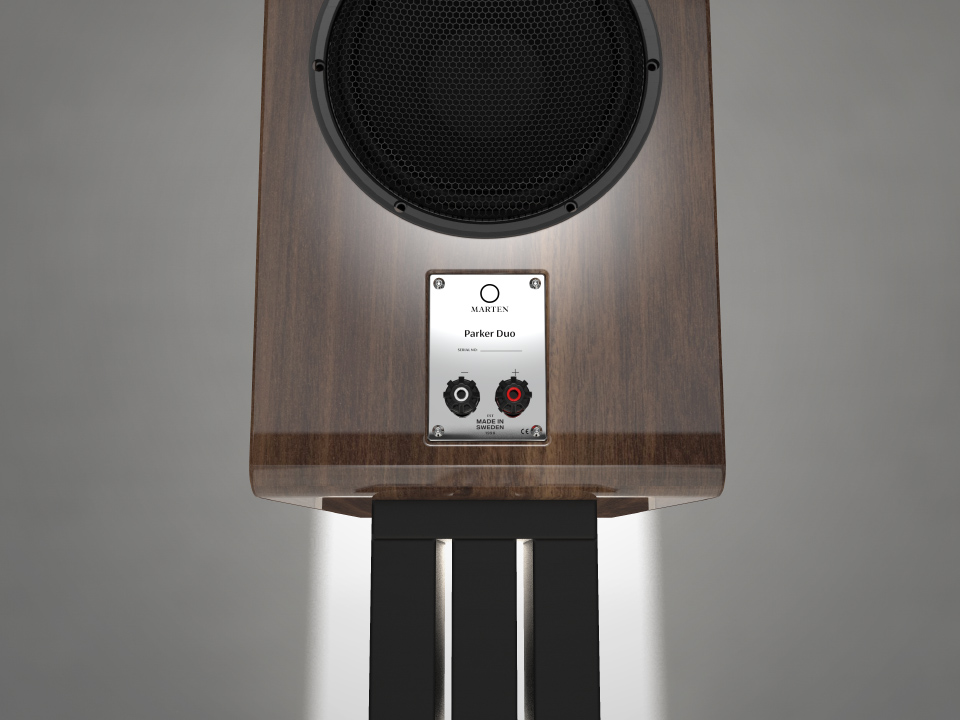
The bass is one of those cake-and-eat-it scenarios. It has the speed and the lack of hangover, notes carrying on when they are not meant to, of a sealed enclosure, with the extension of a ported one. I think that is the passive radiator. It gives the driver a little more room to breathe, but it also damps it somehow, like an air suspension system, and stops that driver getting out of control.
So the bass is fast, but not in a sterile, clinical, it’s-not-really-there way. It is all totally there. It just stops and starts when it should.
No box in the sound
That is probably the overriding sensation: no cabinet, no speaker in the sound. It is a colourless speaker from that point of view. On my next card I had written “so free of thickness”. There is no extra in them, ever, nothing introduced by the sound of the speaker itself. No box, no stored energy.
There is a chap called Danny online who does speaker upgrades, and he is always looking at waterfall plots for stored energy, the transients that linger on. I am not sure it is necessarily true, but it feels like a waterfall plot of these would be the cleanest you have ever seen. If a bass note starts, it stops. The tweeter is so light that it stops and starts, and the woofer feels the same. Grip and control is just nuts.
Detail without hardness
If you are listening for the details, they are just astonishing. Jess, who is behind the camera on our videos, said the same about female vocals: the breath work, the fine details. It is the classic cliché, isn’t it, things I had never heard before. On a Badly Drawn Boy introduction there is what I think is a trumpet, and you can hear the little metal clicks on the keys, very subtle, off on the right-hand side. Nobody had pointed them out to us. In my notes it says “key clicks so clear”, with lots of O’s on the “so”.
There is so much information in them, and yet zero hardness. The tweeter is airy and detailed, but it is not bright or aggressive or sharp or shrill, or any of those downsides. It might make you listen higher up the frequency band, because there is so much to listen to up there, but it is not forward. It is not like they have turned it up.
I did wonder whether some of that endless detail was coming from that unimprovable crossover and not just the diamond tweeter. I hate it when people point the finger at one element of a design as the thing creating one element of the sound. It is not that simple. It is the sum of the parts. I wonder if it is just an epic design. What it feels like is the answer to a question: what can you do with a two-way speaker?
Poor recordings and tonal balance
I have written “beautiful soundscape” against every song. It is not that horrible kind of detail that becomes a curse on a bad recording. Somehow it presents even rubbish recordings in a decent, detailed kind of way, which is an amazing attribute.
I also think the frequency response is very well judged. There are no obvious peaks anywhere, which I feel is another reason for the colour-free sound. There might just be a little trough in that warmth region of the bass, but that is me guessing, just for fun.
Voices, TV and film
Vocally they are so clear it is untrue. The system does TV and film duty too, and at low levels we used to have the subtitles on because we have kids sleeping. With these they were much less necessary. Unless the sound was down to almost silence, the intelligibility was unreal. Films can be really guilty of needing subtitles, even in a home cinema, whether the centre speaker is not up to it or the soundtrack has been mastered with the whizzes and bangs in mind. Here the “whats” and “pardons” were so much fewer.
The panning was a million times better too. The ability to keep everything in its place with the Gryphon is nuts, and I would say the Martens even more so. When something happens a little bit off to the left or the right, even sitting at one end of the sofa, you still get that movement.
How they compare
The Sonus Faber Guarneri first. It was not a direct side-by-side, but there is no way a pair of Guarneris can do that: that scale, that volume, without losing any control and without any hardness or distortion. When I torture-tested the Guarneris I got port chuffing. None of that here. They are my example of a speaker that just cannot keep up with a performance envelope this big.
It is important to say that the Guarneri is a speaker close to my heart that I love dearly, and I would highly, highly recommend it to the correct client.
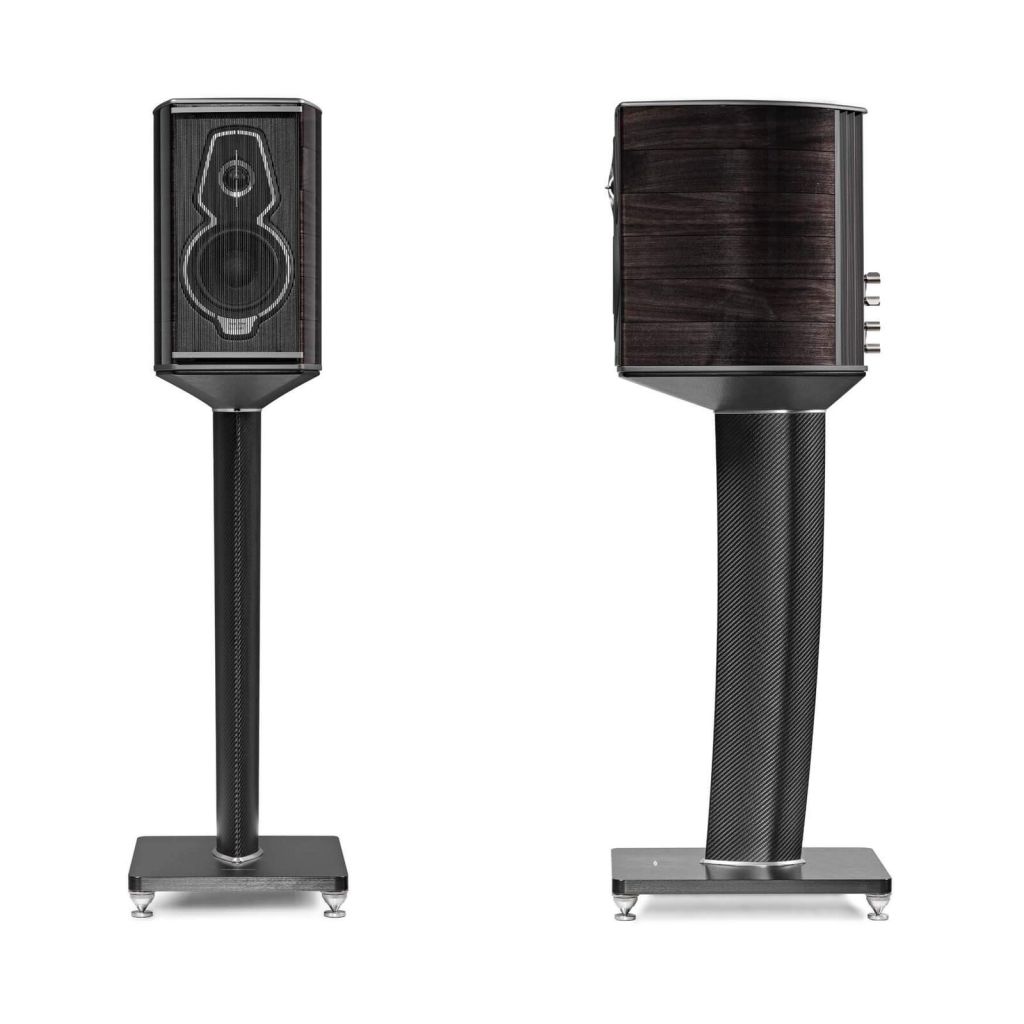
Then my own Dynaudio Heritage Specials. I was looking forward to going back to them, because I wanted that low-level listening thing they do so incredibly well. I plugged them in, turned them on, and the words I wrote down were thick, flat and maybe even dull in comparison. They are a great speaker, and they are a lot cheaper, so it is not apples for apples. But there is no way on earth, before the Martens, that I would have described the Heritage Specials as thick, flat and dull. That speaks volumes. It is also a good example of the diminishing-returns argument being dismissed, massively.
The one criticism
In the interest of honesty, that freedom from thickness might be to a fault at very low volumes. I am talking about whisper volume, the late-night listening I described earlier. Down there the lack of thickness means a lack of bloom in the bass notes, somewhere between about 80 and 200 hertz. A lack of fatness on the bones, if you like. As you turn the volume right down, the last thing to go is the bit above 100 hertz or so. That would be my only, literally only, criticism of them.
If every speaker has a compromise, then with extended listening I would say this one’s is that it is so devoid of colouration that everything is almost transparent, a little see-through. Where is the body?
I would love to hear the Parker Trio, because with that extra driver I think it might fatten up that little bottom-end thing and always be a slightly thicker speaker. That may just be my preconception of a floorstander. I am not sure they would fit in my room, but I would make them fit. I would saw a bit off.
Fit and finish
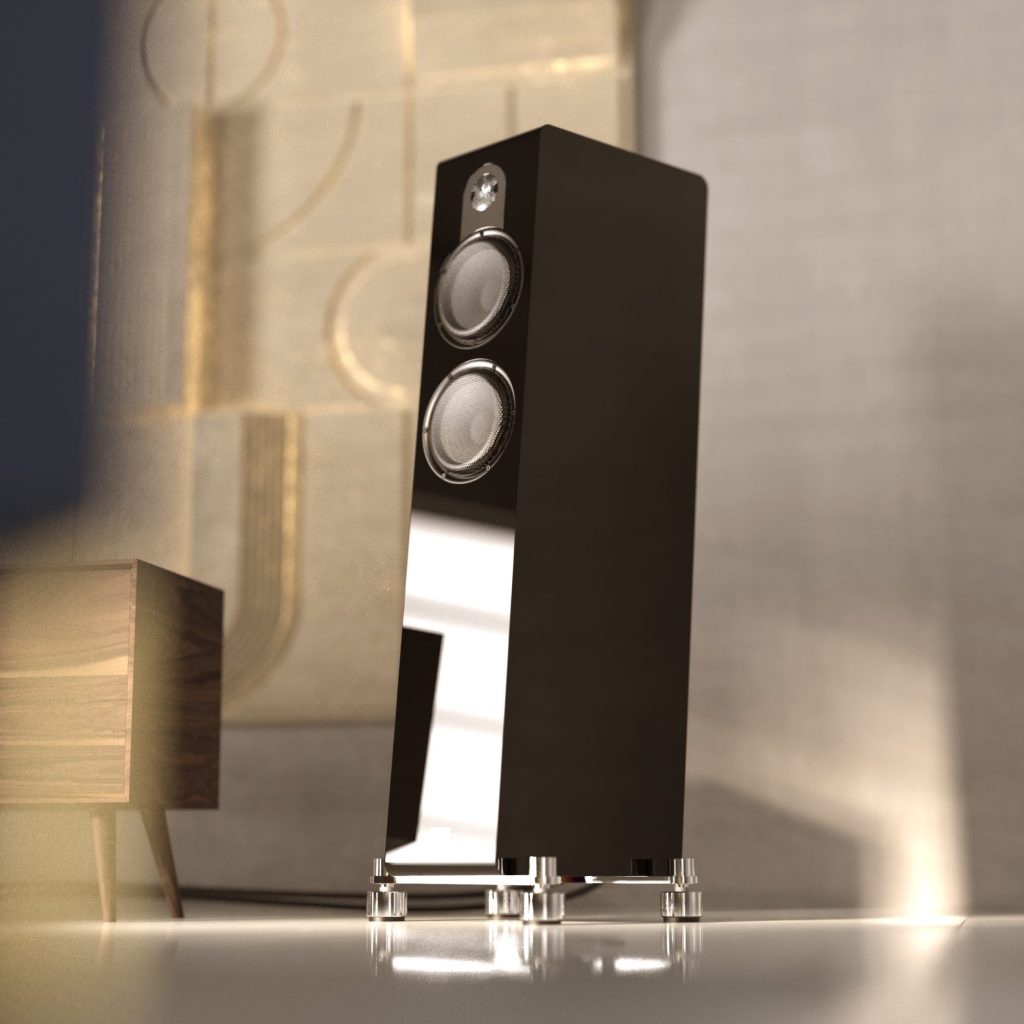
Fit and finish is impeccable. You look at the joints where the tweeter meets the cabinet, the protective grilles over the drivers (I think the driver material is quite brittle), the beauty rings, the corners of the cabinets, the lacquer. Everything is absolutely amazing.
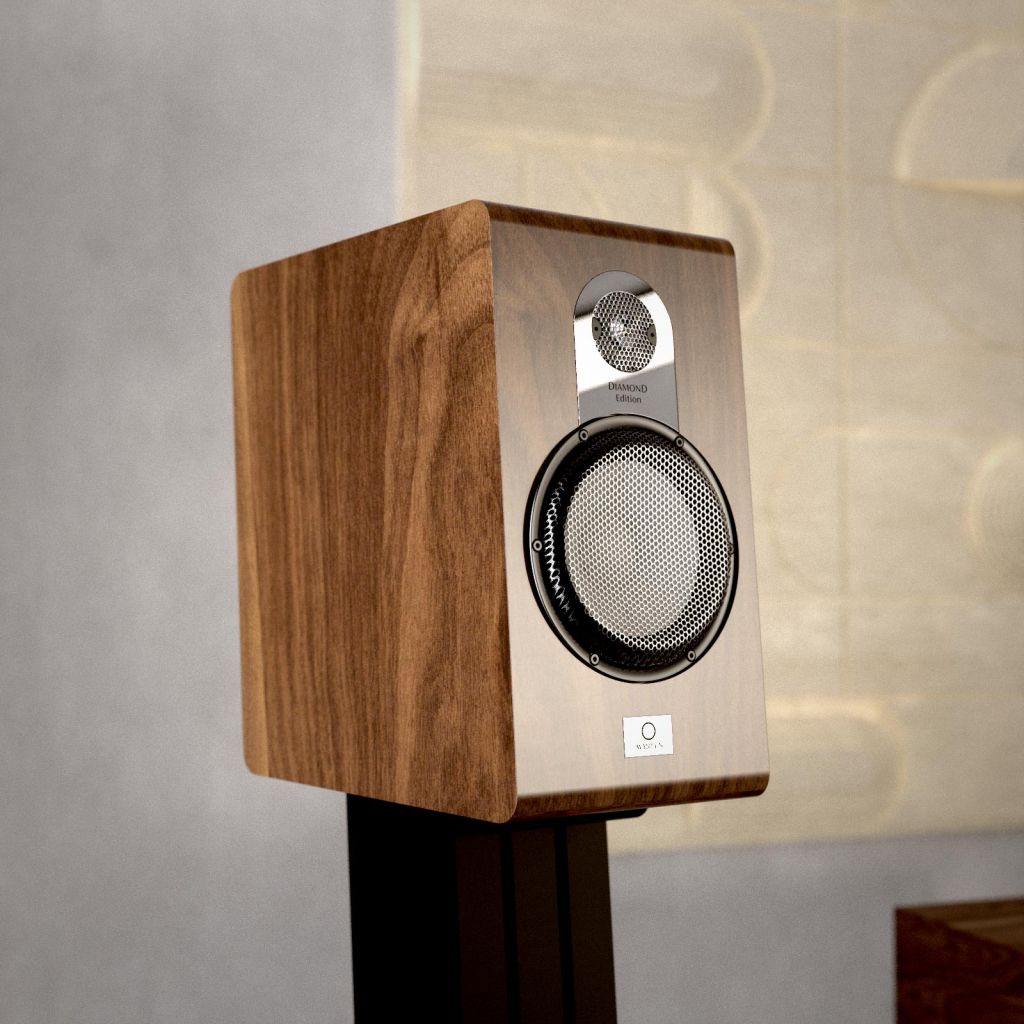
Which finish would I have? The loan pair was gloss black. We had a lovely little soft robin living on top of the Martens over Christmas, and when I took him off you could still see his little footprints in the dust. I would be forever cleaning fingerprints off lacquer too, so I would love to see both the lacquered and the non-lacquered walnut (Piano Walnut and Matte Walnut in Marten’s list). I think the satin wood would be the nicest. The black goes with my room, but the wood would lift it a little and stop it being so macho at the front.
Who they are for, and who they are not
If you are listening for the details, want real scale from a small speaker in a relatively small room, and need something you can push back towards a wall, these are for you. They work from conversational levels right up to being properly cranked, and they make TV and film far easier to follow.
If what you want is thickness and body, or nearly all of your listening is done at a whisper, they are not the obvious choice. That is exactly where my Dynaudios are so good.
Verdict
I have not heard anything else in this category that is better. If I were stocking full ranges of speakers there is absolutely no question they would be there. I have not heard anything like them, I can only assume the speakers around them in the range are unbelievable, and I would be stocking the Parker range from start to finish.
When I filmed the review I was not buying them for our reference system just yet. The first slice of stock investment was going on the Gryphon Diablo 333, and if you read that review you will understand why I could not buy both. That is not to say it won’t be going on the Martens as well.
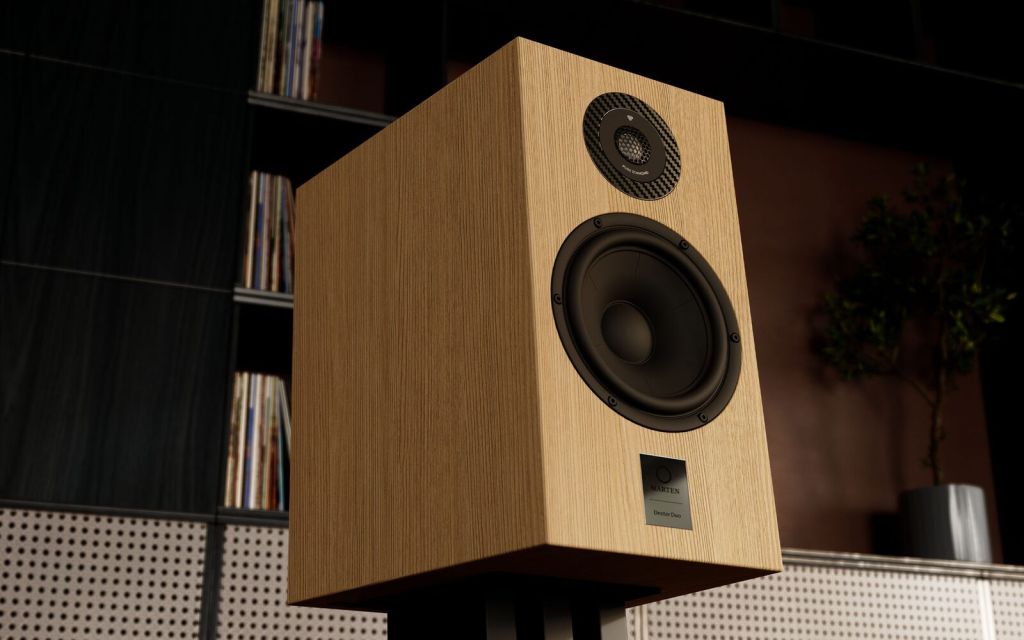
One update since the video: Marten has launched a newer series, Dexter, with a pure diamond tweeter in all four models. If you want to hear what Marten does, call us and we will sort it out.
Frequently asked questions
What is the Marten Parker Duo Diamond Edition?
Marten is a Swedish loudspeaker maker, founded by Leif Olofsson in 1998 and still a family business. The Duo is the stand speaker of its Parker series, which sits in the middle of the range: a two-way with a 7.5-inch ceramic bass and midrange driver on the front and a 9-inch aluminium passive radiator on the back. The Diamond Edition is the upgrade. Marten lists a diamond tweeter in place of the standard ceramic one, more advanced crossover components (copper foil capacitors and copper foil inductors), improved terminals and Jorma Statement internal cabling.
How much does the Marten Parker Duo cost?
On price, the standard Parker Duo is listed in our shop at £10,500 at the time of writing. The Diamond Edition costs more than that, so ask us for the current figure.
How big and heavy is the Marten Parker Duo?
The Duo is 22 cm wide at the front and 28 cm at the back, so almost a foot wide at the back, 42 cm tall and 36 cm deep. It did not sound like much on paper, 18 kg each, but when I picked them up to put them away they were heavier than I remembered.
What is the weakness of the Marten Parker Duo Diamond Edition?
In the interest of honesty, that freedom from thickness might be to a fault at very low volumes. I am talking about whisper volume, the late-night listening I described earlier. Down there the lack of thickness means a lack of bloom in the bass notes, somewhere between about 80 and 200 hertz.
Who is the Marten Parker Duo Diamond Edition for?
If you are listening for the details, want real scale from a small speaker in a relatively small room, and need something you can push back towards a wall, these are for you. They work from conversational levels right up to being properly cranked, and they make TV and film far easier to follow. If what you want is thickness and body, or nearly all of your listening is done at a whisper, they are not the obvious choice.