DACs
A digital-to-analogue converter turns the numbers stored in a streaming service, a computer or a network player into the analogue waveform your amplifier and loudspeakers can reproduce. Since most people now do most of their listening from a digital source, the quality of that conversion sets the ceiling for the whole system.
Our range runs from around £4,500 to £24,500, including modules that fit inside a host component and standalone reference converters. Here is how we would think about it.
What actually separates a good DAC from an ordinary one
It is rarely the headline numbers. Almost every converter made in the last decade will handle high-resolution files and DSD, and the difference you hear is not in the sample rate.
The real differences are in clocking — how precisely the converter times each sample, and how well it isolates itself from the timing noise arriving from the source; in the analogue output stage, which is a piece of analogue engineering and is where a great deal of the character comes from; and in power supply isolation, keeping the digital section’s noise out of the sensitive analogue section. None of these appear meaningfully on a specification sheet, and all of them are audible.
This is also why the source feeding the DAC still matters. A converter with strong input isolation cares less what is upstream, but nothing is completely immune.
Standalone, module, or built in?
A module that fits inside your existing integrated amplifier or preamplifier is the neatest and usually the cheapest route: no extra box, no extra interconnect, no extra mains lead. The limit is that you are bound to what the host manufacturer offers.
A standalone DAC gives you the full choice, can be upgraded independently, and is the right answer once the rest of the system is resolving enough to show the difference.
A DAC with a volume control can drive a power amplifier directly, removing the preamplifier entirely. In a purely digital system this is one of the most under-used shortcuts in high-end audio — fewer boxes, fewer connections, and often better results than adding a modest preamplifier into the chain.
When a DAC is the right upgrade — and when it is not
It is the right upgrade if your digital source is a laptop, a cheap streamer or a television, and the rest of your system is capable. It is the wrong upgrade if your loudspeakers are the limiting factor, or if your room is doing more damage than any component in the chain — which, in an untreated room, it very often is. We will tell you which.
What we carry
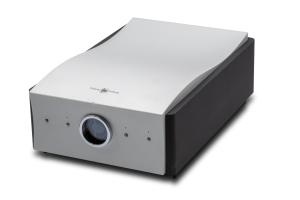
Gryphon — the largest part of our DAC range. The DAC3 around £6,950 and the reference Kalliope around £24,500, plus DAC modules for the Diablo 120 and Zena if you already own the host component.
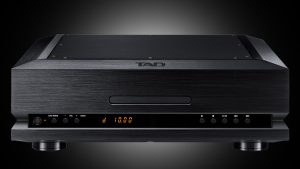
TAD — the DA1000TX around £16,500, and the D1000TX, which is both an SACD player and a converter for anyone with a serious disc collection to keep.
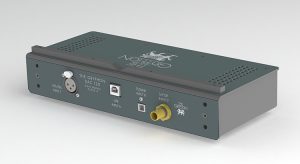
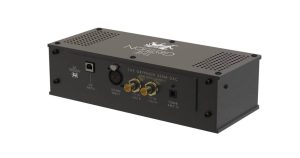
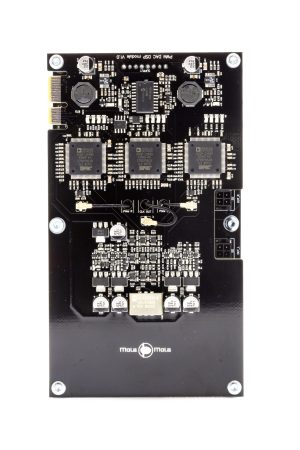
Mola Mola — the Mola Mola DAC around £6,299 and the Tambaqui around £9,999, which includes a volume control and will drive a power amplifier directly.
Next steps
Tell us what is feeding it, what it is feeding, and whether you would rather remove a box or add one. Get in touch to arrange a demonstration at our Bath showroom. See also streamers, pre-amplifiers and room acoustics.
All prices shown include VAT. Hidden Home Technology is a family-run, CEDIA Professional Member business based in Bath.
Showing all 7 resultsSorted by price: low to high
-

Gryphon Diablo 120 DAC Module
DACs
£4,500.00 -

Gryphon Zena DAC Module
DACs
£6,000.00 -

Mola Mola DAC Module for Makua & Kula
DACs
£6,299.00 -
Gryphon DAC3
DACs
£6,950.00 -

Mola Mola Tambaqui DAC
DACs
£9,999.00 -

TAD DA1000TX Digital/Analogue Converter
DACs
£16,500.00 -
TAD D1000TX SACD Disc Player/DAC
DACs
£19,500.00